Showing posts with label gentle cold therapy. Show all posts

Monday, April 18, 2016

Should you consider breast reduction surgery?

If your breasts cause back or neck pain, if bra straps cut into your skin or cause permanent creasing in your shoulders, if you have rashes or irritation under the breasts, if you find exercise difficult, if you have difficulty sleeping due to discomfort, or if you have trouble finding a bra or clothing that fit then you may consider breast reduction surgery.

Says Dr. Andrew Ordon, “Breast Reduction surgery is one of the most gratifying plastic surgery procedures that I perform. It’s a true balance of reconstructive and cosmetic work that improves a persons’ health and appearance.” Healthy Living Made Simple magazine, April/May 2016 p. 25 HLMS.com

Breast reduction surgery has some risks, and it is best to talk with a highly regarded breast surgeon or plastic surgeon before you make the decision on whether or not to have the procedure. Visit the Mayo Clinic to read about some of the risks associated with the surgery. Also in this article are things to consider if you decide to have the procedure including how to prepare and what to expect during recovery.
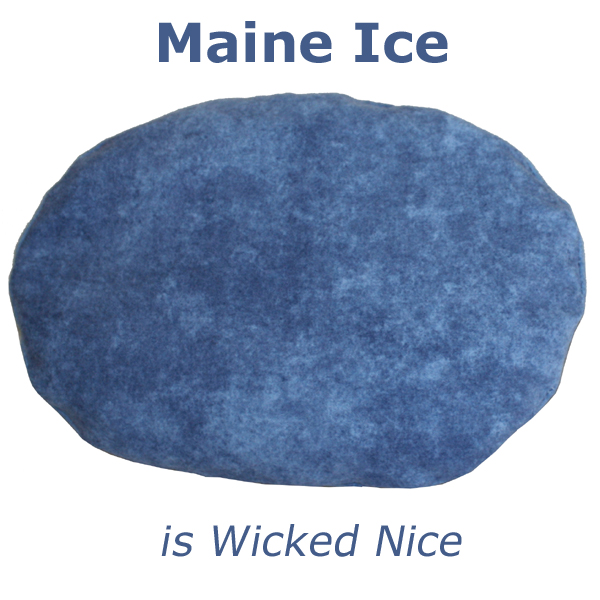
Maine Warmers Maine Ice pack is blue, flannel, filled with whole corn and has a washable cover
gentle on the skin
After surgery you may experience swelling and need to use cold therapy to keep it in check. When feeling discomfort the thoughts of using harsh ice may not be appealing. Maine Warmers offers gentle cold therapy with corn-filled flannel packs called Maine Ice (it's Wicked Nice) that bring cool, soothing relief to sensitive areas. All of Maine Warmers are washable and can be microwaved and used for heat therapy. They are soft on the skin and conform to your body.

Wednesday, August 13, 2008

Home Remedies for Water on the Knee

We use our knees in daily routine activities and knee pain can limit those things we like and need to do. Preventing knee injuries, especially water on the knee, is important to a healthy lifestyle. Fluid build up around the knee is painful and makes exercise uncomfortable. Yet strength in the legs can help reduce knee pain.

Controlling weight may ease knee pain. People who are over-weight and want to start an exercise program should begin with swimming or water aerobics to strengthen the body without putting excess weight on the knees. Take care when exercising not to over-stress the knees.

The Mayo Clinic recommends seeing your doctor regularly and taking medications that will help prevent diseases that contribute to water on the knee or that have other deteriorating effects on the body.

Home remedies include rest, using ice and elevating the knee, taking anti-inflammatory drugs, strengthening muscles that support the knees, and weight loss. Read the full article.

They recommend applying ice every 2 to 4 hours for 15 to 20 minutes keeping your knee elevated.

At Maine Warmers you can find gentle ice packs that help relieve pain and reduce swelling. Neck Warmers will wrap around the knee or Back Warmers can be placed under or over a knee. They also have a Knee Pack that can be strapped onto a knee. The ice packs are comforting and soothing -- not harsh like a bag of ice or frozen peas.

All of these "Warmers" can be frozen for cool therapy or heated to help relax muscles, improve circulation, and increase flexibility.

Tuesday, October 04, 2005

Tips to help recover from shoulder surgery

Arthroscopic shoulder surgery is a procedure that has been around for decades. It's less invasive than open surgery, but there is still a significant recovery time and it is not a cake walk. Stitches need to heal and muscles and tendons need to be used again, gently, with the guidance of a physical therapist. According to the American Association of Orthopaedic Surgeons, it could take several weeks to bounce back from this type of surgery in one of the most complicated joints in the body. This article includes a good description of the shoulder joint anatomy, possible areas that need repair, some planning tips, procedures, and rehab.

1. Give yourself time. Arrange for help during the first two weeks of recovery and maybe longer.

2. Have a reclining chair or plenty of pillows for propping yourself up in bed. Laying flat may not be comfortable for a few weeks after the surgery.

3. Use ice to reduce swelling. When my mother had shoulder surgery she was reluctant to use ice because of the harsh cold. She was already in pain and didn't want more discomfort. Then she tried a gentle ice pack that is also a microwave heating pad. It is filled with dried corn and because there is low water content it does not get as cold as a bag of frozen peas or ice cubes.

4. Use a sling to help immobilize the shoulder during recovery as recommended by your physician.

5. There are physical aids like a "grabber" or that a occupational therapist might recommend to help you cope in the first week or two if you cannot arrange for help 24/7.

Man using microwave heating pad in the shape of a Black Bear for his shoulder
Black Bear Ice Pack and Microwave Heating Pad
A Cozy Black Bear from Maine Warmers can be stored in a plastic bag in the freezer and used it for about Seal or a Back Warmer. Once your shoulder has healed, a physical therapist may have you use heat to stimulate circulation and  increase flexibility. Then you can take your frozen "Warmer" and heat it for 1.5 minutes and enjoy soothing heat therapy.
20 minutes every few hours. It helped reduce the swelling and was not harsh like ice cubes! Other products for the shoulder are a